Implant Overdenture restoring full mouth of missing teeth
Oct 24, 2026
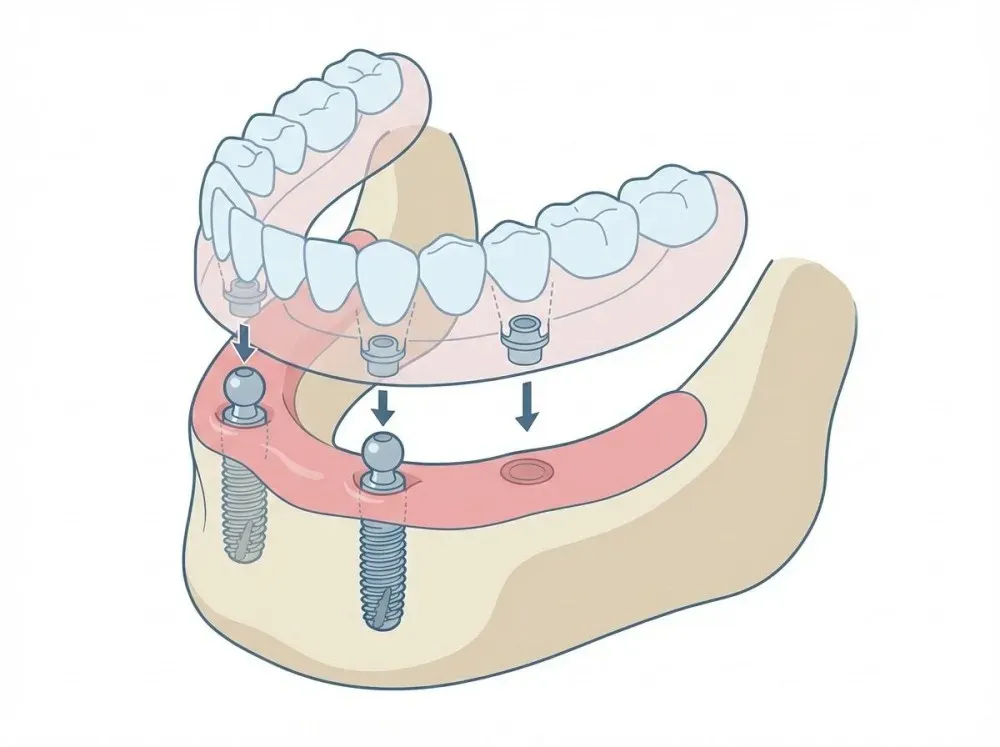
Discover how implant-supported overdentures can improve stability, chewing ability, and confidence in your smile.
Missing teeth can affect more than your appearance. They can make eating uncomfortable, change the way you speak, and impact your confidence in everyday situations. While traditional dentures are a common solution for tooth loss, some patients experience slipping, discomfort, or difficulty chewing.
Implant overdentures offer an alternative that combines the convenience of dentures with the added stability of dental implants. This treatment can help patients enjoy a more secure fit and greater confidence in their daily lives.
An implant overdenture is a removable denture that attaches to dental implants placed in the jawbone. Unlike conventional dentures, which typically rest on the gums and rely on suction or adhesive for retention, implant overdentures use specially designed attachments to help keep the denture securely in place.


Dental implants act as artificial tooth roots and provide stable anchor points for the denture. Depending on the patient's needs, the overdenture may use two or more implants, with the number and placement determined by the dentist.
Implant overdentures are commonly used to replace an entire arch of missing teeth, including the upper or lower jaw.
Choosing implant overdentures may offer several advantages over traditional removable dentures.
One of the main benefits of implant overdentures is improved stability. The attachments connect the denture to the implants, helping reduce unwanted movement while speaking, eating, or smiling.
A more secure denture can make eating many foods easier and more comfortable. Although individual results vary, implant overdentures may improve chewing function compared with conventional dentures.
Worrying about dentures slipping during conversations or social activities can be frustrating. Implant retention may help patients feel more comfortable speaking, laughing, and interacting with others.
Because implant overdentures attach to dental implants, many patients need less denture adhesive or may not need it at all, depending on their specific treatment.
Dental implants transfer functional forces to the jawbone and may help preserve bone in the areas where they are placed. However, implants do not prevent bone loss throughout the jaw, and changes in the surrounding tissues can still occur over time.
What is the difference between these two tooth-replacement options?
|
Feature |
Traditional dentures |
Implant overdentures |
|---|---|---|
|
Stability |
Rest on the gums |
Attach to dental implants |
|
Retention |
May rely on suction or adhesive |
Improved retention from implant attachments |
|
Chewing |
Can be limited by movement |
May provide improved chewing function |
|
Removal |
Removable |
Usually removable for cleaning |
|
Treatment |
Generally does not require implant surgery |
Requires implant placement surgery |
|
Maintenance |
Cleaning and periodic adjustments |
Cleaning, attachment maintenance, and dental checkups |
Both options can restore the appearance of missing teeth. The right choice depends on your oral health, jawbone condition, preferences, and treatment goals.

Implant overdentures may be suitable for patients who:
Are missing most or all teeth in the upper or lower jaw.
Have loose or uncomfortable traditional dentures.
Want improved denture retention and chewing function.
Have adequate jawbone volume or are suitable for bone grafting if needed.
Are in good enough general health to undergo implant surgery and maintain oral hygiene.
Certain medical conditions, smoking, gum disease, and some medications can affect implant treatment. A comprehensive dental examination and review of your medical history are important to determine whether this option is appropriate for you.
The process typically includes several stages, although the exact treatment plan varies from patient to patient.


The complete process may take several months, depending on healing, bone quality, and whether additional procedures are needed.
Good daily hygiene and regular dental visits are essential for maintaining your implants and denture.
Clean your denture daily: Remove and clean the overdenture as directed by your dentist.
Clean around the implants: Brush carefully around the implant attachments and gumline to remove plaque and food debris.
Follow removal instructions: Many overdentures are designed to be removed daily for cleaning. Follow your dentist's recommendations.
Attend routine checkups: Your dentist can assess implant health, denture fit, and attachment wear.
Report changes promptly: Pain, bleeding, looseness, or persistent irritation should be evaluated.
Over time, attachment components may wear and need replacement. The denture itself may also require repairs, relining, or replacement.
For many patients, implant overdentures can provide a meaningful improvement in denture retention, comfort, and everyday function. They offer a middle ground between traditional removable dentures and fixed implant-supported teeth.
However, treatment involves surgery, healing time, ongoing maintenance, and a higher initial cost than conventional dentures. A personalized consultation can help you understand the expected benefits, potential risks, and costs for your situation.
Living with missing teeth or unstable dentures does not mean you have to settle for discomfort. Implant overdentures may offer a more secure and functional solution tailored to your needs.
Ready to explore your tooth-replacement options? Schedule a consultation with our dental team to find out whether implant overdentures are right for you. We can evaluate your oral health, discuss your goals, and help you choose a treatment plan that supports a healthier, more confident smile.
Disclaimer: This article is for general educational purposes only and does not replace a professional dental examination or personalized treatment advice.

